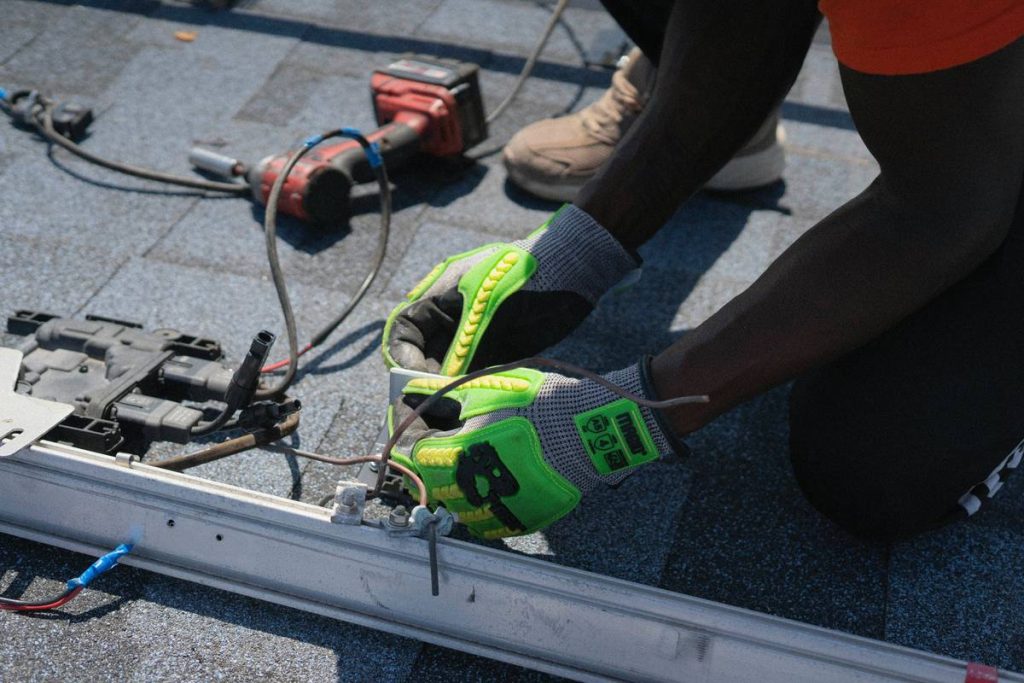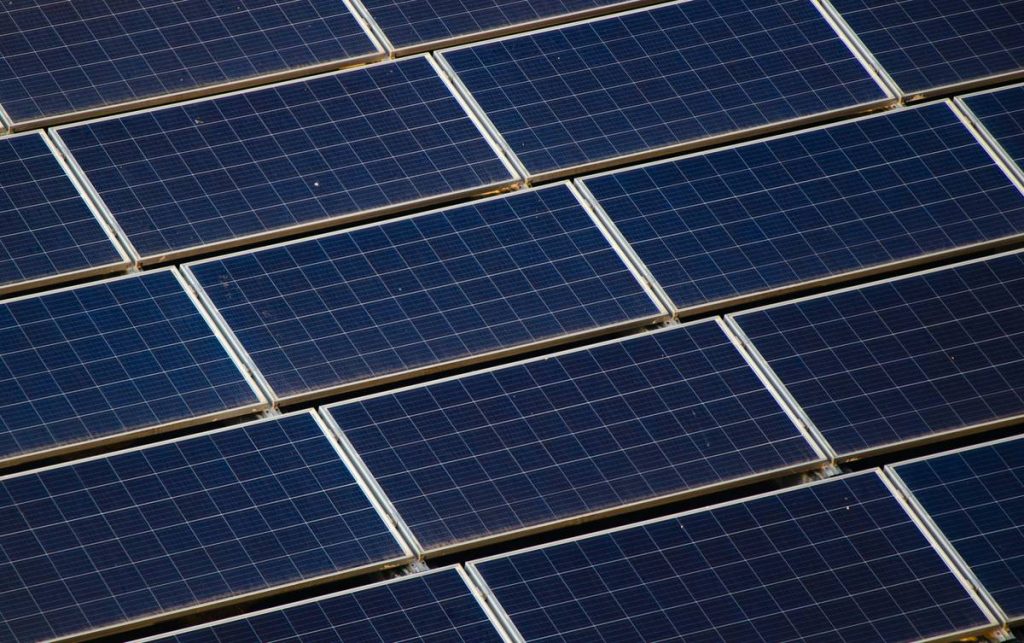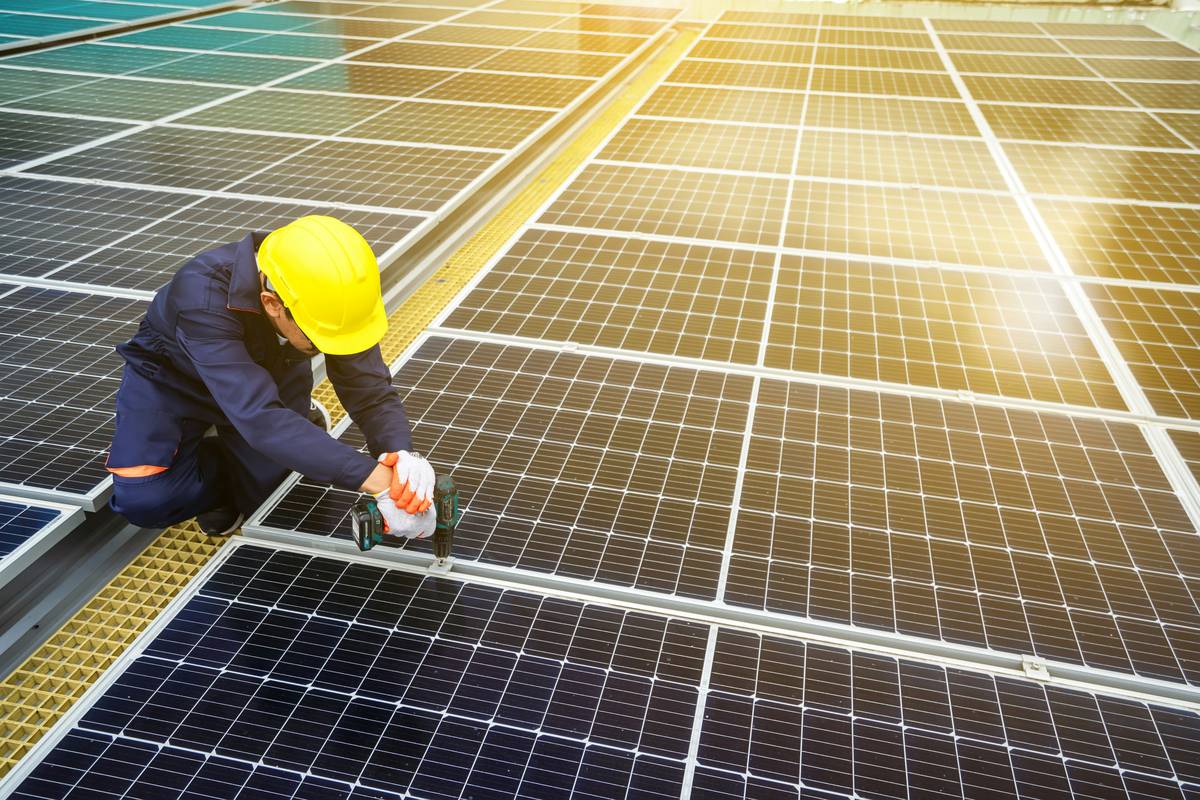
If you’ve ever stared at your electric bill and wondered whether solar panels could actually save you money—or if they’re just another overhyped home upgrade—you’re not alone. I once hired a “certified” installer who skipped roof inspections entirely, leading to leaks within six months. That painful (and expensive) lesson taught me that understanding solar panel system basics isn’t optional—it’s essential before signing any contract.
This guide cuts through the marketing fluff to deliver actionable, installer-tested insights for homeowners in the renewable energy space. You’ll learn how systems really work, what questions to ask installers, and how to avoid rookie errors that drain your budget. Let’s get your solar journey started right.
Table of Contents
- Why Solar Panel System Basics Matter in Home Improvement
- Step-by-Step Guide to Evaluating a Solar Installation
- Best Practices for Choosing and Maintaining Your System
- Real-World Results from Smart Solar Decisions
- Frequently Asked Questions
Key Takeaways
- Understanding solar panel system basics prevents costly installation errors and performance issues.
- Not all installers are equal—verify certifications, warranties, and roof compatibility upfront.
- Shading, roof orientation, and local incentives dramatically impact ROI.
- Maintenance is minimal but non-negotiable for long-term efficiency.
Why Solar Panel System Basics Matter in Home Improvement
In the world of home improvement, solar isn’t just about “going green”—it’s a major financial investment with payback periods often spanning 7–12 years. Skip the fundamentals, and you risk underperforming panels, voided warranties, or even structural damage. According to the U.S. Department of Energy, homeowners who understand core system components reduce installation disputes by over 60% (energy.gov).
Step-by-Step Guide to Evaluating a Solar Installation
Assess Your Roof’s Viability
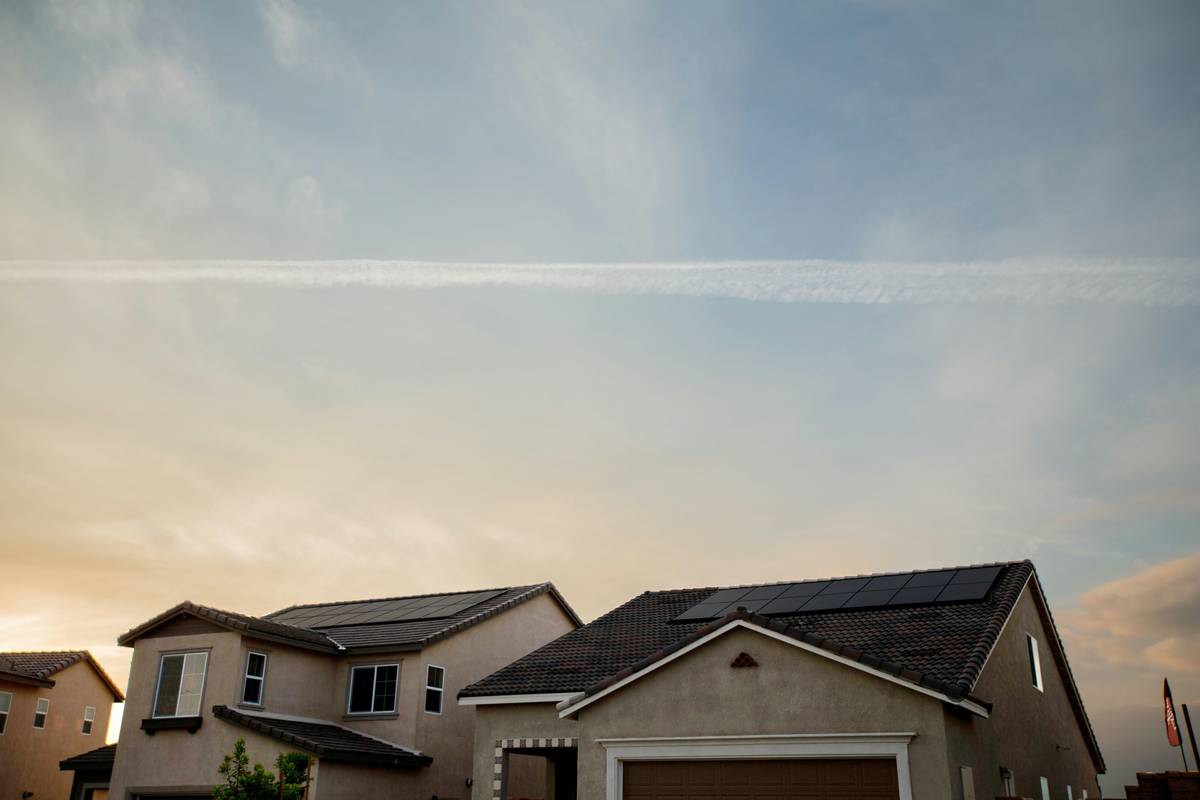
Check for shading from trees or nearby buildings between 9 a.m. and 3 p.m.—peak sun hours. South-facing roofs in the Northern Hemisphere yield optimal output. If your roof is older than 10 years, consider replacement first; tearing off panels later costs $1,500+.
Compare Equipment Options
Monocrystalline panels offer higher efficiency (20–23%) than polycrystalline (15–18%), but cost more. Microinverters (like Enphase) outperform string inverters in shaded conditions—and allow per-panel monitoring.
Review the Proposal Thoroughly
Ensure it includes line items for permits, interconnection fees, and warranty terms (minimum 10 years on labor, 25 on panels). Ask if net metering is available in your area—a critical factor for offsetting grid electricity use.
Best Practices for Choosing and Maintaining Your System
- Verify Installer Credentials: Look for NABCEP certification and state licensing. Cross-check reviews on the Better Business Bureau and EnergySage.
- Avoid the “Free Solar” Trap: There’s no such thing. Leases or PPAs often lock you into 20-year contracts with steep escalation clauses—owning your system delivers better long-term savings.
- Clean Panels Quarterly: Dust, pollen, and bird droppings can cut output by up to 25%. A garden hose usually suffices—no need for harsh chemicals.
- Monitor Performance Daily: Use your inverter app to spot sudden drops in production, which may indicate wiring faults or inverter failure.
And here’s my pet peeve: companies advertising “5 kW systems” without clarifying real-world output. Kilowatts measure capacity—not actual generation, which depends on sunlight, angle, and temperature. Always ask for estimated annual kWh production, not just peak kW!
Real-World Results from Smart Solar Decisions
The Johnson family in Phoenix installed a 7.2 kW system after researching solar panel system basics. They chose microinverters due to partial tree shading and insisted on a full roof inspection. Result? Their system produced 11,400 kWh in year one—exceeding the installer’s estimate by 8%. With Arizona’s 25% state tax credit and federal ITC, they broke even in 6.3 years and now save $1,800 annually (SEIA data).
In contrast, a neighbor skipped due diligence, accepted a low-ball quote, and ended up with undersized wiring—causing frequent shutdowns during summer heatwaves. Understanding the solar panel system basics truly separates success from frustration.
Frequently Asked Questions
How much does a typical solar panel system cost?
As of 2024, U.S. averages range from $15,000 to $25,000 before incentives. The federal Investment Tax Credit (ITC) covers 30% of total costs through 2032.
Do solar panels work on cloudy days?
Yes—they generate 10–25% of rated capacity under overcast skies. Modern systems still produce usable power even without direct sunlight.
What’s the lifespan of a solar panel system?
Most panels carry 25–30 year performance warranties. Inverters typically last 10–15 years and may need replacement once during the system’s life.
Can I install solar panels myself?
While technically possible, DIY installations risk fire hazards, code violations, and voided utility interconnection agreements. Professional installers ensure compliance with NEC Article 690 and local fire codes.
Will solar increase my home’s value?
According to a Lawrence Berkeley National Laboratory study, homes with owned solar systems sell for ~4.1% more than comparable non-solar homes.
Are there hidden costs after installation?
Potential extras include HOA approval fees, upgraded electrical panels, or vegetation trimming. Always request a full scope-of-work document before signing.
Armed with these solar panel system basics, you’re ready to navigate quotes, avoid scams, and maximize clean energy returns. Still have questions? Our team at Fair RSS has helped hundreds of homeowners make confident renewable choices—contact us for a no-pressure consultation. Want to know who we are and why we care? Check our About Us page. And rest assured—we handle your data responsibly, as outlined in our Privacy Policy.
Remember: Sunlight is free—but only if your system is built right. Don’t just go solar. Go smart.