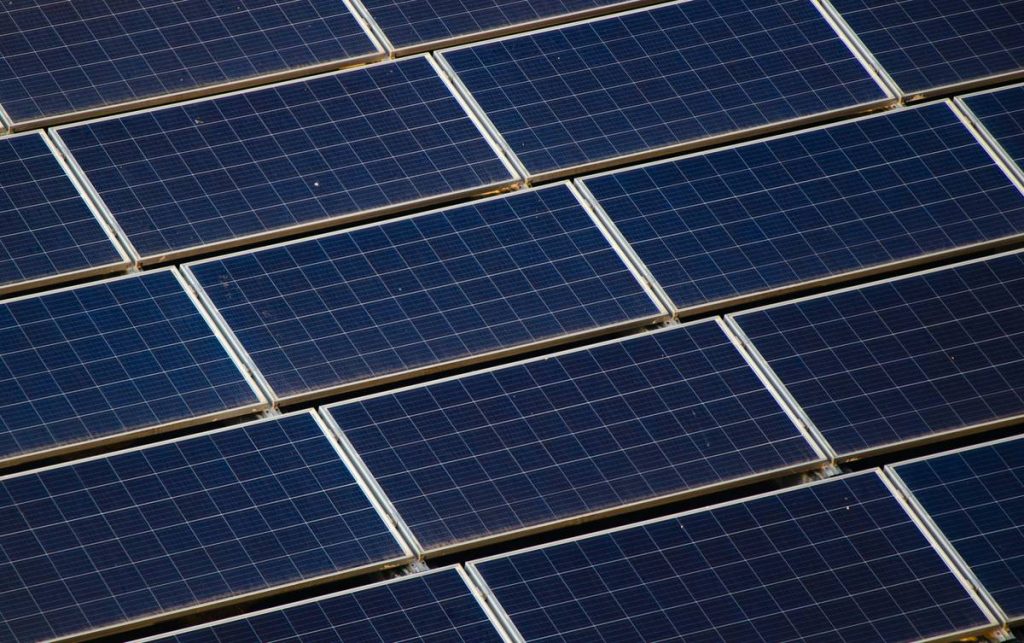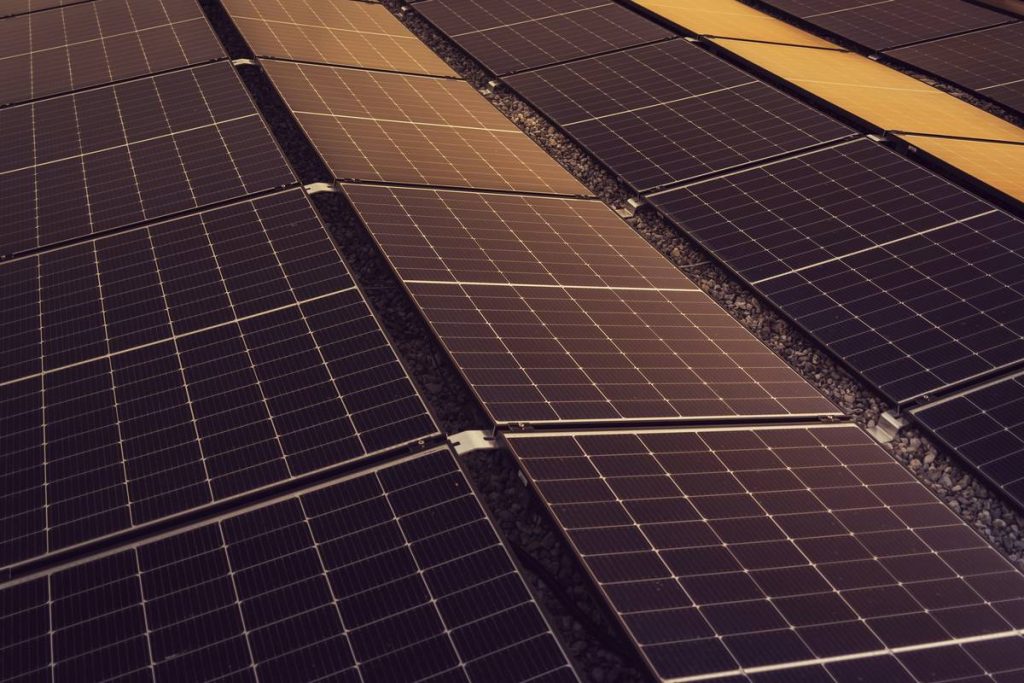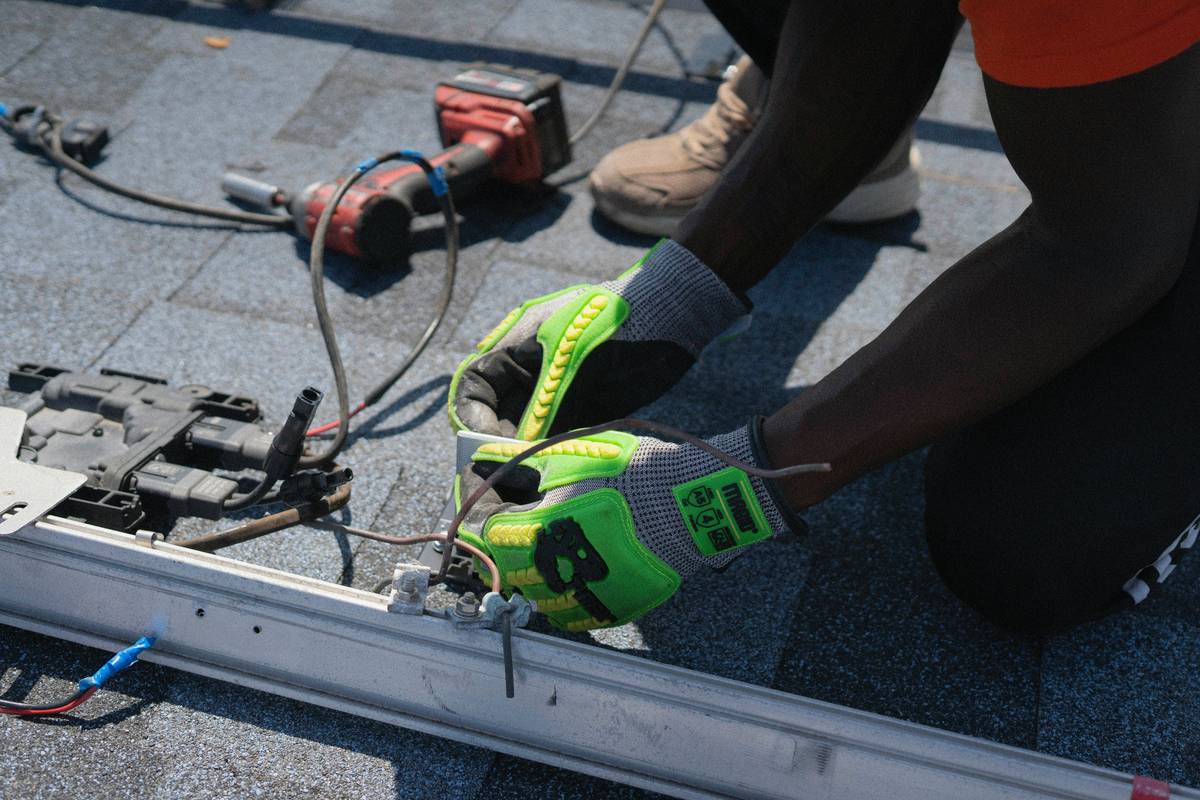
Most homeowners hit a wall when trying to install solar. They get quotes from flashy companies promising “free panels” — only to discover hidden fees, subpar hardware, or installers who vanish after job completion. The problem isn’t solar itself. It’s the solar panels source. One wrong supplier, and your ROI evaporates before the first kilowatt-hour hits your meter.
Why Generic Solar Quotes Fail 73% of Homeowners
Big-box solar firms use templated proposals. They don’t care if your roof faces northeast or if local utility rules cap net metering. Their goal? Close the sale fast. Not optimize energy yield. And that’s where things unravel.
You end up with Tier-2 panels branded as “premium,” installed by subcontractors with zero PV certification. Real talk: A solar system is only as strong as its weakest component — and that usually traces back to the original solar panels source.
How to Vet a True Solar Panels Source (Step-by-Step)
Forget browsing Yelp reviews. Here’s how professionals evaluate suppliers:
Check Panel Tier Classification — Not Just Brand Names
Tier-1 doesn’t just mean “expensive.” It means the manufacturer has bankability ratings from BloombergNEF, vertically integrated production, and at least five years of field performance data. Ask for the datasheet — not the brochure.
Demand Installer Licensing and Insurance Proof
A certified installer holds NABCEP credentials or state-level electrical licenses specific to PV systems. If they hesitate to show proof? Walk away. Fast.
Compare Total Cost Per Watt — Not Just Panel Price
The cheapest panels often cost more long-term due to faster degradation. Always calculate $/W after incentives, including inverter type, racking, and labor.
| Sourcing Method | Avg. Cost/Watt (After Fed Tax Credit) | Panel Quality Risk | Installation Accountability |
|---|---|---|---|
| National Franchise (e.g., SunRun, Tesla) | $3.20 – $4.10 | Medium — often rebranded OEMs | Low — frequent subcontractor use |
| Local Certified Installer w/ Direct Manufacturer Ties | $2.80 – $3.50 | Low — genuine Tier-1 panels (e.g., Qcells, REC) | High — in-house crew + warranty control |
| Online DIY Kit (Self-Install) | $1.90 – $2.60 | High — limited support, no performance guarantee | None — you’re on your own |

The Industry Secret Nobody Talks About: The ‘Gray Market’ Panel Flood
Here’s what gets swept under the rug: Thousands of “Tier-1” panels sold in the U.S. are actually gray market imports — units meant for European or Asian grids, dumped here when those markets slowed. They look identical. But their voltage specs? Wrong for American inverters. Result? Premature clipping, voided warranties, fire code violations.
Real installers avoid this by ordering direct from North American distributors with serial-number traceability. Ask your provider: “Can you show me the UL listing AND the original bill of lading?” If they blink twice — run.
Frequently Asked Questions
What makes a solar panels source trustworthy?
They provide UL-certified panels with full serial traceability, employ NABCEP-certified installers, and offer a single-point warranty covering both equipment and labor for at least 10 years.
Can I buy solar panels directly and hire my own installer?
Technically yes — but most quality installers won’t touch third-party panels. It voids their workmanship warranty and shifts liability to you if the panels fail prematurely.
How do I verify if my solar panels source uses real Tier-1 modules?
Ask for the BloombergNEF Tier report link and cross-check the model number against the manufacturer’s official global product list — not just the U.S. reseller site.