Thinking about going solar but terrified of wasting thousands on a flawed setup? You’re not alone. I once helped a neighbor rush into panels without a proper solar panel system plan—only to discover his roof couldn’t support the weight, forcing a $4,000 retrofit. Don’t let that be you. In this guide, we’ll walk through exactly how to design a smart, future-proof solar installation that maximizes savings and minimizes headaches. From site assessment to utility paperwork, here’s your no-fluff roadmap.
Table of Contents
- Why Your Solar Panel System Plan Matters
- Step-by-Step Setup Guide
- Top Best Practices for Long-Term Success
- Real-World Results: What Works (and What Flops)
- Frequently Asked Questions
Key Takeaways
- A detailed solar panel system plan prevents costly structural and electrical errors.
- Roof orientation, shading, and local incentives dramatically impact ROI.
- Always verify installer credentials—licensing isn’t optional.
- Interconnection approval from your utility is non-negotiable before flipping the switch.
- DIY “savings” often backfire; professional design pays for itself.
Why Your Solar Panel System Plan Matters
In home improvement, solar isn’t just another upgrade—it’s a 25-year investment tied to your property’s value, energy independence, and even insurance premiums. Yet too many homeowners treat it like buying a fridge: compare prices, pick the cheapest, done. Big mistake.
Without a tailored solar panel system plan, you risk underproduction, roof damage, or rejection by your utility company. According to the U.S. Department of Energy, poorly sited systems can lose up to 30% of potential output due to shading or suboptimal tilt. And if your installer skips engineering drawings (yes, it happens), your city may deny permitting—delaying your project for months.
Step-by-Step Setup Guide
1. Audit Your Energy Use
Pull 12 months of electric bills. Identify your average monthly kWh usage. This determines system size—typically 5–10 kW for most U.S. homes. Don’t guess; overbuilding wastes money, underbuilding leaves you grid-dependent.
2. Assess Your Roof
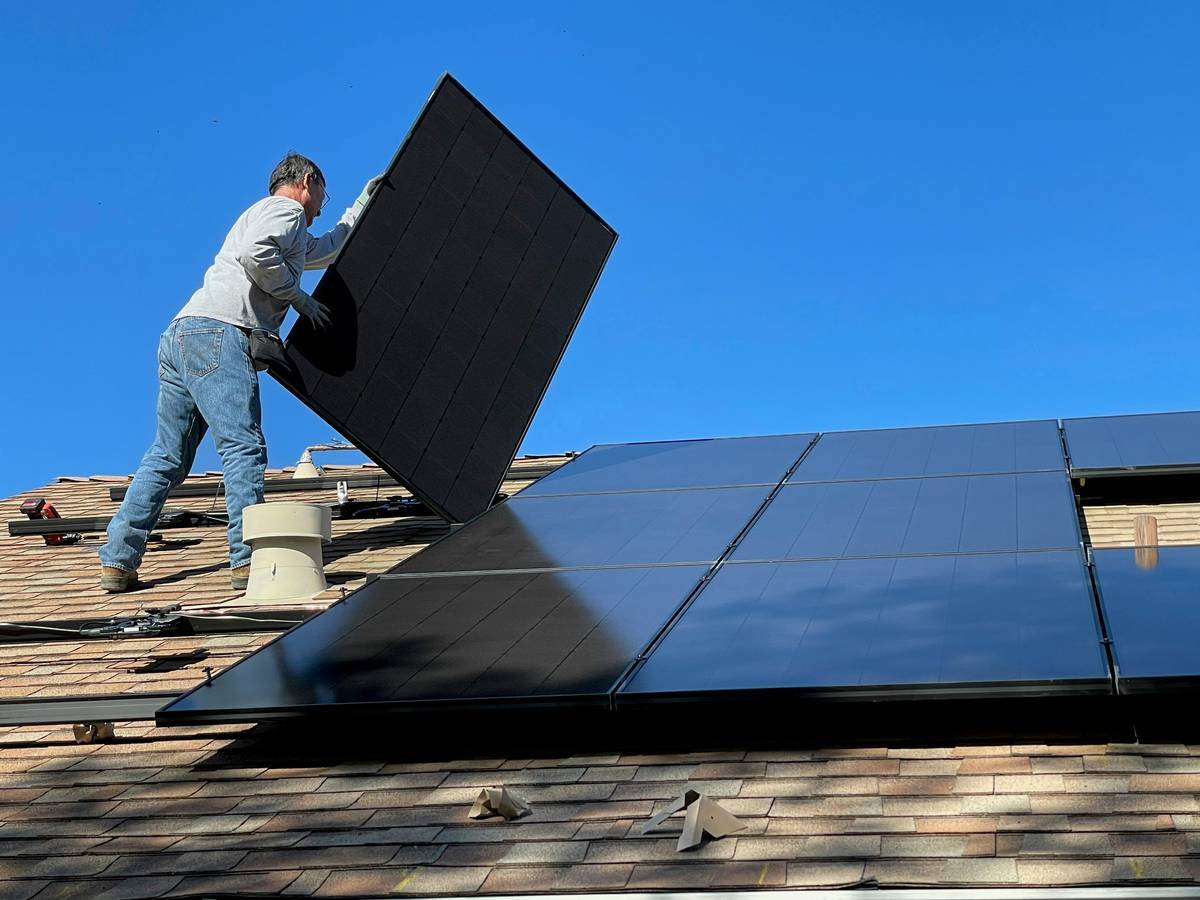
South-facing roofs with minimal shading are ideal. Check for obstructions (chimneys, vents) and structural integrity. Tile or slate roofs may need specialized mounts. If your roof is older than 10 years, consider re-roofing first—you don’t want to remove panels prematurely.
3. Choose Equipment Wisely
Monocrystalline panels offer the best efficiency (20%+). Pair them with reputable inverters like Enphase or SolarEdge. Avoid unknown brands—even if they’re cheaper. The National Renewable Energy Laboratory (NREL) notes that component failure accounts for nearly 20% of early system issues.
4. Secure Permits & Approvals
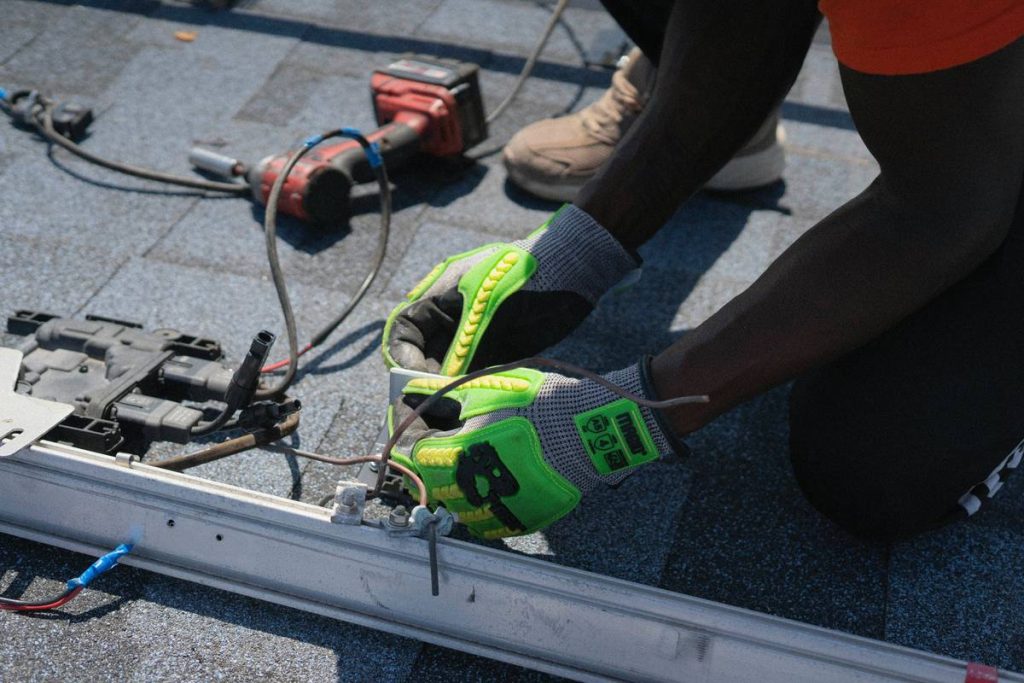
Your installer should handle this, but stay involved. Most jurisdictions require structural and electrical permits. Crucially, you also need interconnection approval from your utility—a process that can take 2–8 weeks. Starting without it risks fines or disconnection.
5. Finalize Financing & Incentives
The federal solar tax credit covers 30% of system costs through 2032 (U.S. Department of Energy). Some states add rebates or SRECs. Factor these in before signing contracts.
Top Best Practices for Long-Term Success
- Get 3+ Quotes: Compare not just price, but warranty terms, production guarantees, and installer experience. Check reviews on EnergySage or BBB.
- Avoid the “Free Solar” Trap: Leases or PPAs might seem attractive, but you forfeit tax credits and long-term savings. Ownership almost always wins.
- Insist on a Production Guarantee: Reputable companies guarantee minimum annual output—if your system underperforms, they compensate you.
- Document Everything: Keep copies of permits, interconnection agreements, and warranties. Store them—and share key details in your privacy policy-compliant records.
Real-World Results: What Works (and What Flops)
Last year, a homeowner in Phoenix installed a 7.5 kW system after creating a meticulous solar panel system plan. They avoided west-facing panels (despite installer pressure) and used microinverters to bypass shading from a palm tree. Result? 112% of predicted output in Year 1 and a $1,900 utility refund via net metering.
Contrast that with a Colorado couple who skipped a structural review. Their heavy snow load collapsed part of the array after six months—costing $6,200 in repairs, all excluded from warranty due to “improper site assessment.” A solid solar panel system plan would’ve flagged the risk upfront.
According to Lawrence Berkeley National Laboratory data, well-planned residential systems deliver payback periods of 6–9 years—versus 12+ for haphazard installs.
Frequently Asked Questions
How much does a solar panel system plan cost?
Reputable installers include planning in their quote—typically bundled into the total system cost ($15,000–$25,000 after tax credits). Standalone design services range $300–$800, but rarely needed if you choose a certified installer.
Can I design my own solar panel system plan?
Technically yes, but strongly discouraged unless you’re an electrician or engineer. Errors in load calculations or grounding can void insurance or cause fire hazards. Let professionals handle it—we detail our vetting process on the About Us page.
What’s the biggest mistake homeowners make?
Choosing based on price alone. The cheapest bid often cuts corners on equipment quality, racking, or permitting diligence. A robust solar panel system plan protects your investment far better than saving $500 upfront.
Do I need battery storage in my plan?
Not immediately—but design for it. Ensure your inverter is storage-ready (e.g., SolarEdge StorEdge or Enphase IQ8). Adding batteries later costs 20–30% more if your initial setup isn’t compatible.
How long does planning take?
From consultation to permit approval: 2–6 weeks. Delays usually come from slow utility interconnection requests—not the installer. Start early!
Will my HOA block solar panels?
Federal law (via the Solar Rights Act) prohibits unreasonable restrictions. However, they may impose aesthetic rules—factor this into your solar panel system plan early.
Ready to build a solar future that actually works? Don’t gamble on guesswork. Get a customized solar panel system plan from experts who’ve navigated every roof type, utility rule, and weather extreme. Contact us today for a free, no-pressure assessment—and never install blind again.