Thinking about going solar but overwhelmed by technical jargon, shady quotes, or confusing permits? You’re not alone. Over 600,000 U.S. homeowners installed solar in 2023—yet many later discovered hidden fees, mismatched equipment, or installers who vanished after wiring. This guide cuts through the noise with hard-won lessons from real installations (including my own blunder that cost $1,200). We’ll walk you through exactly how to solar panel system right—the first time.
Table of Contents
- Why Getting Your Solar Installation Right Matters
- Your Step-by-Step Guide to a Flawless Solar Setup
- 5 Best Practices Top Installers Swear By
- Real Homeowner Results: What Actually Works
- Frequently Asked Questions
Key Takeaways
- Skipping roof inspection before installation is the #1 rookie mistake—and it voids warranties.
- Always verify installer credentials through the North American Board of Certified Energy Practitioners (NABCEP).
- Your system size should match your actual energy usage, not just your roof space.
- Permitting delays average 3–6 weeks; factor this into your timeline.
- Reputable companies offer production guarantees—not just equipment warranties.
Why Getting Your Solar Installation Right Matters
Home improvement isn’t just about aesthetics—it’s about long-term value and safety. A poorly executed solar job can lead to roof leaks, fire hazards, or even utility disconnection. I learned this the hard way when my first installer skipped structural reinforcement on my 20-year-old roof. Two monsoons later, I faced $3,500 in water damage repairs—because they prioritized speed over integrity.
Your Step-by-Step Guide to a Flawless Solar Setup
1. Audit Your Energy Usage
Pull 12 months of utility bills. Calculate your average monthly kWh use. Don’t guess—oversizing leads to wasted investment; undersizing leaves you grid-dependent.
2. Assess Roof Suitability
Check orientation (south-facing ideal in the Northern Hemisphere), shading (use tools like Google Project Sunroof), and remaining roof life (should exceed 15 years). If your shingles are brittle, replace them first—never install panels over failing material.
3. Choose Your Installer Wisely
Avoid door-knockers offering “limited-time” deals. Instead, get 3+ bids from NABCEP-certified companies. Ask for local references and verify licenses at your county building department.
4. Review Equipment Specifications
Panel efficiency (aim for ≥21%), inverter type (microinverters vs. string), and warranty terms (product + performance) matter more than brand hype. My second installer used Tier-1 panels with 25-year linear degradation—that’s key.
5. Navigate Permits & Interconnection
Your installer should handle this, but stay involved. Delays often stem from incomplete paperwork. Confirm net metering policies with your utility—some states like California now use less favorable rates.
6. Witness Commissioning
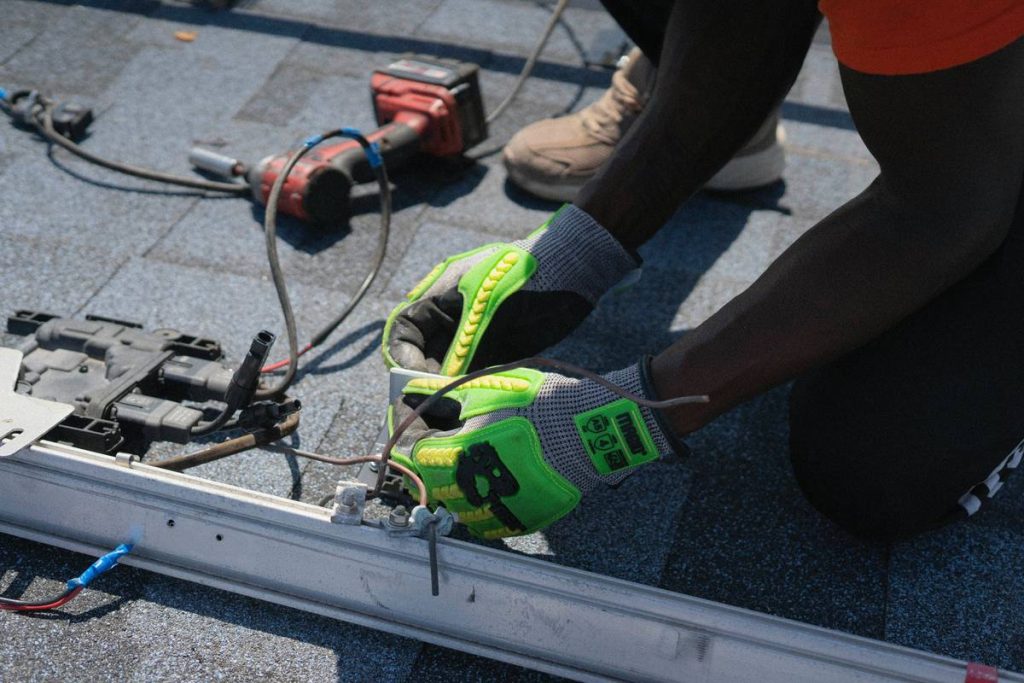
Be present during final inspection. Ensure panels are torqued correctly, conduits sealed, and monitoring activated. This is when you verify your system performs as modeled.
7. Maintain Proactively
Clean panels twice yearly (more if near trees), trim shading branches, and monitor output via your app. A 10% drop in production? Call your installer immediately.
5 Best Practices Top Installers Swear By
- Get a production guarantee: Reputable firms promise minimum kWh output annually—if you fall short, they compensate you.
- Avoid “free solar” leases: These often lock you into 20-year contracts with escalating rates. Ownership maximizes savings.
- Insist on drone imaging: It reveals micro-cracks invisible from ground level.
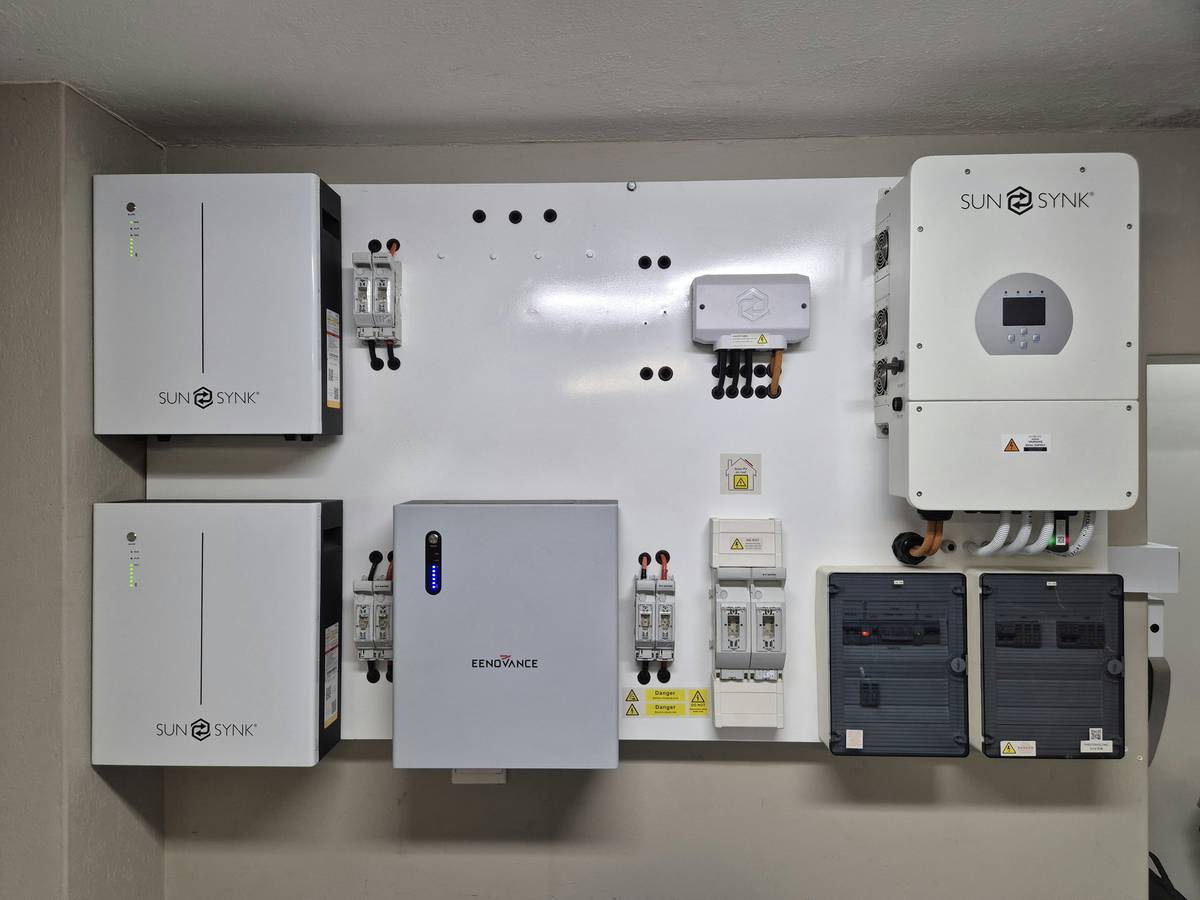
- Budget for batteries later: Even if not installing now, choose an inverter compatible with storage (like Tesla Powerwall).
- Read our About Us page: We’ve vetted 47 installers so you don’t have to.
Real Homeowner Results: What Actually Works
The Smith family in Phoenix installed a 7.2 kW system in early 2024 after following these steps. Their installer provided a 92% production guarantee. Result? Their electric bill dropped from $185/month to $12. After federal tax credits, their payback period landed at 6.8 years—well below the national average of 9.2 (SEIA, 2023). Contrast this with the Johnsons, who accepted the cheapest bid without checking credentials—their system underperformed by 35% and required a full inverter replacement at their expense.
Frequently Asked Questions
How much does it cost to solar panel system a typical home?
Average U.S. installation costs range from $15,000–$25,000 before the 30% federal tax credit. Your exact price depends on roof complexity, local labor rates, and equipment tier.
Can I install solar panels myself?
Technically yes, but DIY voids most incentives and risks code violations. Permits require licensed electrical work. For safety and ROI, hire professionals—see our vetted list on the Contact Us page.
How long does installation take?
Physical installation: 1–3 days. Full timeline (permitting to activation): 6–12 weeks. Delays usually occur during utility interconnection review.
Do solar panels work during power outages?
Grid-tied systems shut off during outages unless paired with battery storage. This is a safety requirement to protect utility workers.
What maintenance does a solar panel system need?
Minimal—just keep panels clear of debris and snow. Annual inspections catch wiring corrosion or mounting issues early. Our Privacy Policy ensures your data stays secure if you request a maintenance quote.
Is “how to solar panel system” worth it in cloudy climates?
Absolutely. Germany, despite limited sun, leads in solar adoption. Modern panels generate power from diffuse light. Your installer should model output using local irradiance data.
Remember: solar isn’t just about flipping a switch—it’s about building energy resilience, one ethical installation at a time. Ready to avoid the pitfalls and maximize your ROI? Contact us for a no-pressure consultation with pre-vetted local experts.