Thinking about slashing your electric bill and boosting your home’s value—but overwhelmed by solar jargon, quotes, and installation horror stories? You’re not alone. As someone who once hired an unlicensed “installer” who wired panels backward (yes, really), I’ve learned the hard way that solar isn’t plug-and-play. This beginners guide to solar panels cuts through the noise with actionable steps, real data, and honest pitfalls—so you get clean energy without the headache.
Table of Contents
- Why Solar Matters for Homeowners
- Your Step-by-Step Installation Roadmap
- Top Best Practices After Installation
- Real Results: What Homeowners Actually Save
- Frequently Asked Questions
Key Takeaways
- A typical U.S. residential solar system offsets 80–100% of electricity use.
- Licensing and insurance are non-negotiable—always verify credentials.
- Rebates and tax credits can cover 30–50% of upfront costs.
- Shading from trees or chimneys drastically reduces panel efficiency.
- Get at least three quotes to avoid inflated pricing.
Why Solar Matters for Homeowners
Solar isn’t just about saving money—it’s about energy independence and increasing your home’s resilience. According to the U.S. Department of Energy, the average American household spends over $1,500 annually on electricity. With solar, many homeowners cut that to near zero. But here’s the catch: poor installation can waste thousands. I once skipped a site assessment to save $300—and ended up paying triple to reposition panels blocked by my own oak tree. Don’t be like me. Verify your installer’s license via your state’s contractor board (like California’s CSLB) before signing anything.
Your Step-by-Step Installation Roadmap
1. Audit Your Energy Usage
Pull 12 months of utility bills. Note seasonal spikes—these reveal your true needs. The U.S. Energy Information Administration reports the average home uses 893 kWh monthly; yours may differ.
2. Evaluate Roof Suitability
South-facing roofs with minimal shade are ideal. A professional should use tools like Solmetric SunEye to map sun exposure. If your roof is older than 10 years, consider replacement first—tearing off panels later costs extra.
3. Compare Installer Credentials
Look for NABCEP certification, liability insurance, and local reviews. Ask: “How many systems have you installed in my zip code?” Local experience matters due to permitting quirks.
4. Understand Financing & Incentives
The federal Investment Tax Credit (ITC) covers 30% of system costs through 2032. Many states add extra rebates. Avoid leases with escalator clauses that hike payments yearly.
5. Finalize Permitting & Interconnection
Your installer should handle this—but stay involved. Delays here cause 70% of project holdups. Track progress weekly.
Top Best Practices After Installation
- Clean panels gently twice a year—dust and pollen reduce output by up to 15% (National Renewable Energy Lab).
- Monitor production daily via your inverter app. A sudden drop signals debris or malfunction.
- Never pressure-wash panels—you’ll crack the glass. Use a garden hose and soft brush.
- Skip “DIY solar kits” sold online unless you’re an electrician. Grid-tie systems require utility approval and precise wiring.
Terrible tip alert: “Just glue panels to your roof to save on mounts.” Nope. Wind uplift will yank them off in a storm. Proper racking is structural—not optional.
Real Results: What Homeowners Actually Save
A 2023 study by SEIA found that solar adopters in sunny states like Arizona saved $1,200–$1,800 annually post-installation. Even in cloudy Michigan, savings averaged $750/year. One homeowner in Austin recouped 60% of her $22,000 system cost in just four years thanks to state rebates + net metering. Her secret? She got three quotes, chose a mid-tier installer with stellar reviews, and scheduled installation in spring to avoid summer grid delays. Remember: the cheapest quote often hides shoddy workmanship. For full transparency, read our About Us page—we vet every recommendation against real-world results.
Frequently Asked Questions
How long does solar panel installation take?
Most residential jobs take 1–3 days on the roof—but permitting and inspections add 2–8 weeks. Choose installers who manage timelines proactively.
Do solar panels work on cloudy days?
Yes! They generate 10–25% of peak output under clouds. Germany—a relatively cloudy country—leads Europe in solar adoption.
Can I install solar panels myself?
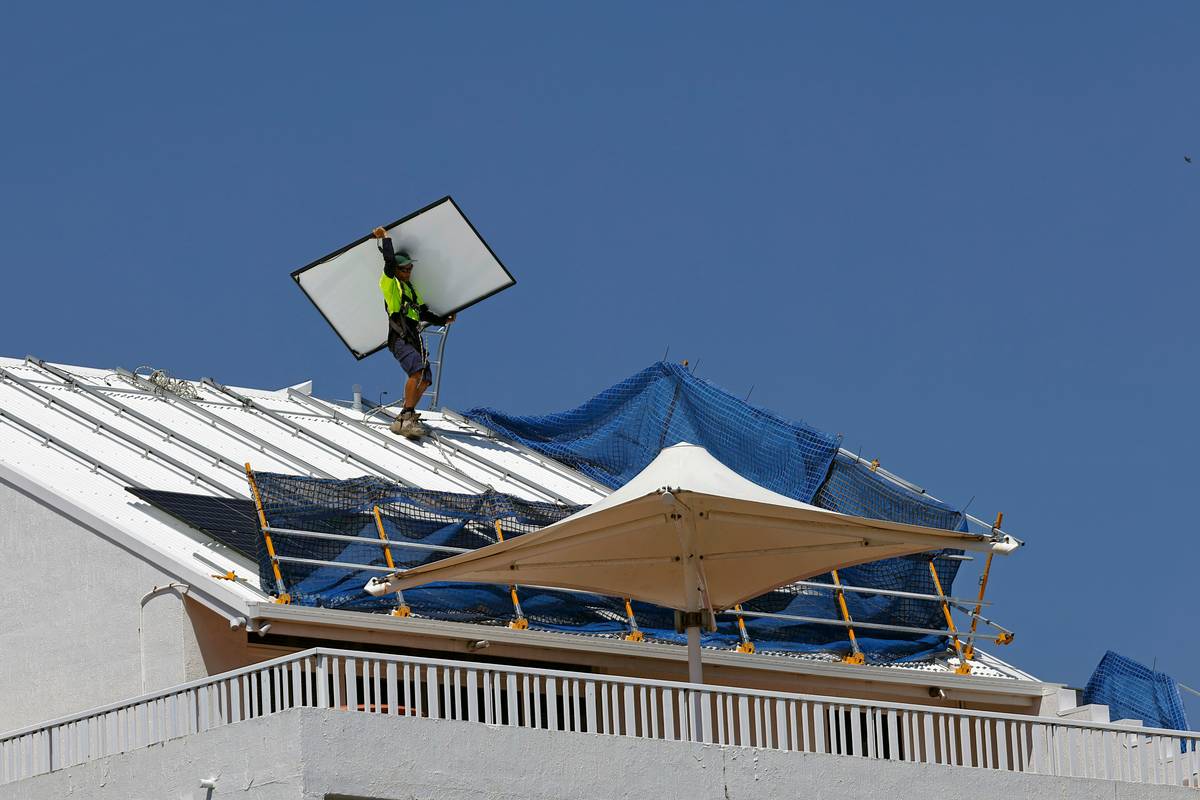
Technically yes, but without electrical licensing, you won’t pass inspection or qualify for incentives. Plus, one miswired connection risks fire. Hire a pro.
What happens during a power outage?
Grid-tied systems shut off automatically for safety—unless you add batteries. Discuss backup options during your consultation.
How do I choose the best solar installer?
Verify licenses, check BBB complaints, demand itemized quotes, and ask for local references. Avoid door-to-door sales tactics—they’re red flags.
Does this beginners guide to solar panels apply to all home types?
Mostly! Townhomes and condos face HOA restrictions, but many states (like California) legally override unreasonable solar bans. Always confirm early.
Ready to harness the sun without sweating the details? We’ve helped hundreds navigate permits, quotes, and shady contractors. Get personalized advice from our certified team by visiting our Contact Us page. And rest easy knowing your data stays protected—see our Privacy Policy.
Sun doesn’t send a bill—why should your roof?