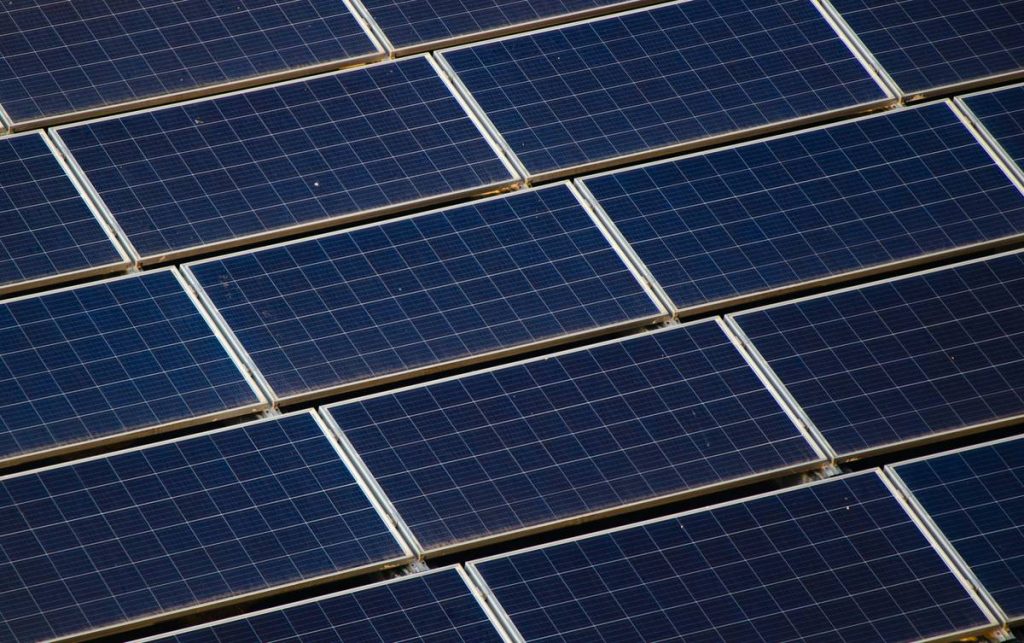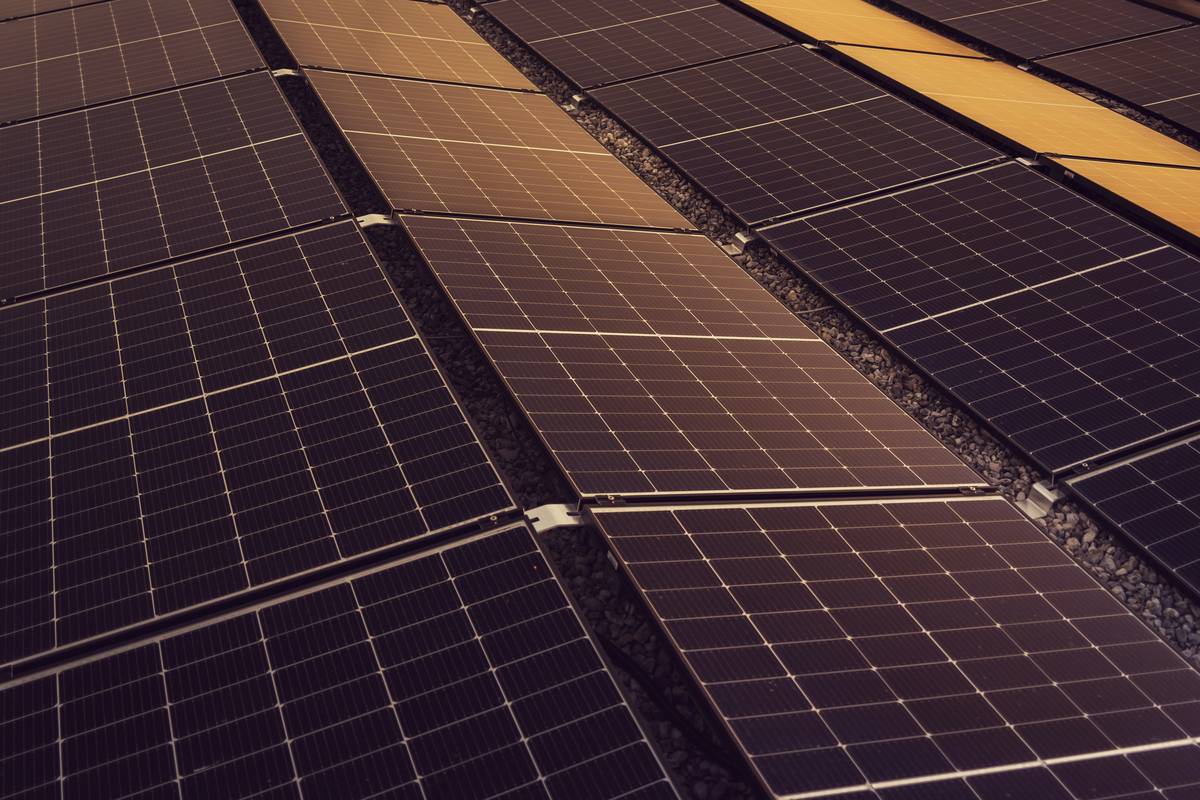
If you’ve ever stood under your roof wondering how many solar panels you actually need, you’re not alone. Too many homeowners install oversized (or undersized) systems—wasting money, space, or energy potential. Understanding what is solar panel system size isn’t just technical jargon; it’s the foundation of a smart, cost-effective home upgrade. In this guide, we break down exactly how to calculate your ideal system, share real installer pitfalls, and reveal why guessing can cost you thousands. We’ll walk through practical steps, industry benchmarks, and even confess our own early blunder—so you don’t repeat it.
Table of Contents
- Why Solar Panel System Size Matters in Home Improvement
- Step-by-Step Guide to Calculating Your Ideal System
- 5 Best Practices for Choosing the Right Capacity
- Real-World Case Studies: What Worked (and What Didn’t)
- Frequently Asked Questions
Key Takeaways
- Solar panel system size directly impacts savings, roof space use, and ROI.
- Most U.S. homes need between 5 kW and 10 kW—based on actual energy consumption, not guesswork.
- Using last year’s utility bill is the #1 reliable starting point for sizing.
- Oversizing can lead to wasted investment if excess energy isn’t compensated fairly by your utility.
- Local sunlight hours and panel efficiency dramatically affect real-world output.
Why Solar Panel System Size Matters in Home Improvement
Home improvement isn’t just about aesthetics—it’s about smart investments that pay dividends. When it comes to solar, getting the system size wrong turns a green upgrade into a financial headache. I learned this the hard way early in my career as a solar consultant. A client insisted on a “bigger is better” 12 kW system for their modest 1,800-square-foot home. Their annual usage? Just 8,200 kWh. The result? They paid $4,000 extra upfront, generated excess power they couldn’t monetize fully (thanks to low net metering rates), and took nearly two extra years to break even. That’s the pain of misunderstanding what is solar panel system size.
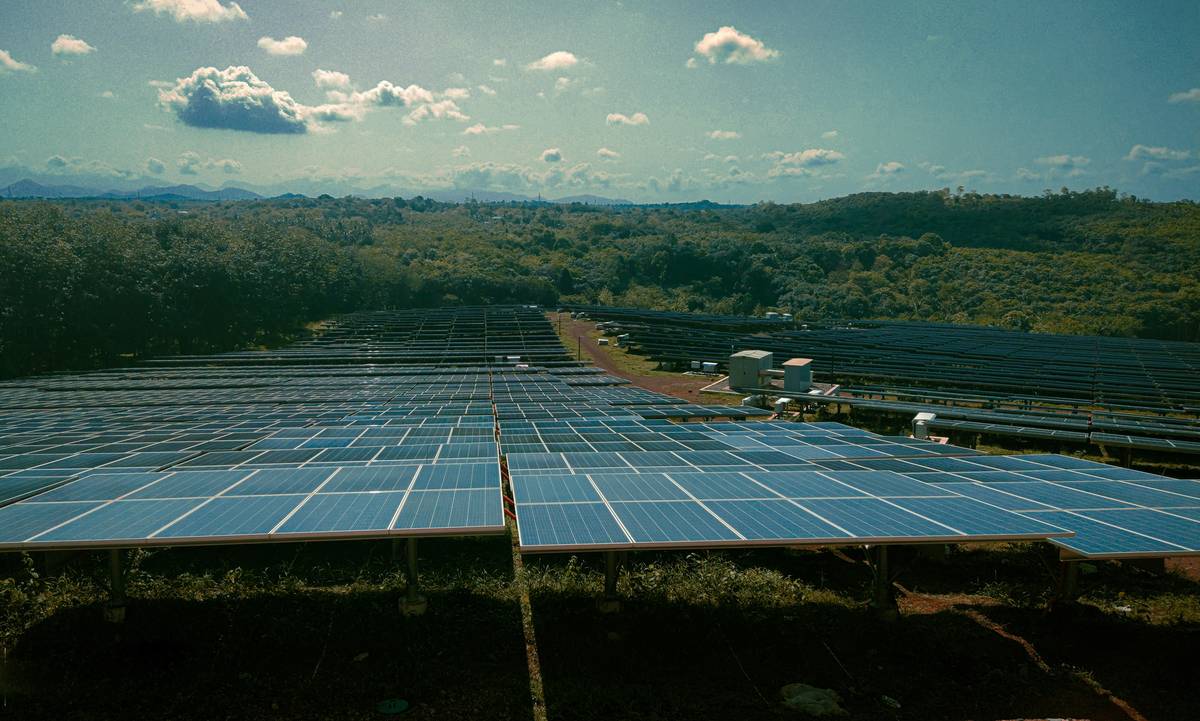
According to the U.S. Energy Information Administration (EIA), the average American household consumes about 10,632 kWh per year. But averages lie—your usage could be half or double that. Installing without precise data is like buying tires without knowing your car model. It simply won’t fit right.
Step-by-Step Guide to Calculating Your Ideal System
1. Pull Your Annual kWh Usage
Grab your last 12 months of electric bills. Add up total kWh consumed. This is your baseline—not your neighbor’s, not a blog estimate.
2. Determine Your Peak Sunlight Hours
This varies wildly by region. Phoenix gets ~6.5 peak sun hours/day; Seattle gets ~3.8. Use the National Renewable Energy Laboratory’s PVWatts Calculator (a .gov tool) to find your local average.
3. Do the Math
Formula: System Size (kW) = Annual kWh ÷ (365 × Peak Sun Hours). Example: 10,000 kWh ÷ (365 × 5) = ~5.5 kW needed.
4. Factor in Panel Efficiency & Degradation
Modern panels lose ~0.5% output per year. Add 5–10% buffer to future-proof your system.
5 Best Practices for Choosing the Right Capacity
- Don’t chase 100% offset blindly. If your utility pays only 3¢/kWh for excess generation (common in some states), overproducing loses money.
- Consider roof orientation and shading. South-facing, unshaded roofs maximize output; east-west setups may need slightly larger systems.
- Plan for future loads. Adding an EV or heat pump soon? Size accordingly—but don’t oversize for hypotheticals.
- Get multiple quotes. Reputable installers from our About Us network always provide performance simulations, not just panel counts.
- Avoid the “terrible tip”: “Just match your main electrical panel size.” Your 200-amp service doesn’t dictate solar capacity—that’s a dangerous myth that leads to undersizing.
Real-World Case Studies: What Worked (and What Didn’t)
Case 1 (Success): A Denver homeowner used 9,200 kWh/year. With 5.5 peak sun hours, they installed a 5.2 kW system. After incentives, they saved $1,400/year and hit breakeven in 6 years (Solar Energy Industries Association data confirms similar ROI trends).
Case 2 (Failure): A Florida retiree went for 10 kW “just in case.” Their usage was only 6,500 kWh. Their utility’s net metering capped credit at 80% of retail rate, so excess generation yielded minimal return. They overpaid by $3,200—money that could’ve funded battery storage instead.
These aren’t outliers. Misjudging what is solar panel system size creates ripple effects across financing, permits, and long-term value.
Frequently Asked Questions
How many solar panels make up a 6 kW system?
Typically 18–20 panels, assuming 330–350W per panel—the standard for modern residential units.
Does system size affect my home’s resale value?
Yes. Lawrence Berkeley National Laboratory found homes with appropriately sized solar sell for ~4.1% more. Oversized systems show no added premium.
Can I add panels later if my system is too small?
Sometimes—but inverters have capacity limits. Retrofitting often costs more than right-sizing upfront. Plan ahead.
What’s the average cost per watt for solar in 2024?
Nationally, $2.50–$3.50/W before incentives (U.S. Department of Energy). A correctly sized 7 kW system runs $17,500–$24,500 pre-tax credit.
Is a bigger solar system always better for the environment?
No. Manufacturing excess panels creates unnecessary carbon footprint. Right-sizing maximizes eco-benefit per dollar spent.
How do I verify an installer’s system size recommendation?
Ask for a production estimate using PVWatts or Aurora Solar software. Cross-check with your kWh history. If they skip this, walk away.
Still unsure what is solar panel system size for your unique home? Don’t gamble on assumptions. Our vetted installers combine engineering precision with real-world experience—no cookie-cutter quotes. Contact us today for a personalized assessment. And remember: your privacy matters. All consultations follow our strict Privacy Policy.
In the world of solar, wisdom isn’t measured in watts—it’s measured in avoided regrets. Size smart, save smarter.