What if your roof could slash your electric bill by 80%—starting next month? For homeowners tired of rising utility costs and unpredictable energy markets, solar panels aren’t just eco-friendly—they’re a financial lifeline. But diving in without a plan? That’s how you end up with mismatched inverters, voided warranties, or installers who ghost you after “completion.” In this guide, we’ll walk you through exactly how to start using solar panels the right way—backed by real installer insights, hard data, and one painfully expensive mistake I made during my first residential project.
Table of Contents
- Why Solar Matters for Homeowners
- Step-by-Step Guide to Going Solar
- Best Practices for Smooth Installation
- Real-World Results from U.S. Homeowners
- Frequently Asked Questions
Key Takeaways
- A site assessment is non-negotiable—skip it, and you risk poor panel placement and low ROI.
- Federal tax credits (like the 30% Residential Clean Energy Credit) can cut system costs dramatically.
- Local permitting delays are the #1 cause of installation bottlenecks—factor in 2–6 weeks.
- Always verify installer certifications (NABCEP is the gold standard).
- Maintenance is minimal but essential—clean panels twice a year for peak efficiency.
Why Solar Matters for Homeowners
In today’s volatile energy market, solar isn’t just an environmental statement—it’s a home improvement powerhouse. The average U.S. household spends over $1,500 annually on electricity (U.S. Energy Information Administration). By going solar, most homeowners recoup their investment in 6–9 years and enjoy near-zero bills for decades after.
I learned this the hard way: early in my career, I rushed a client into a flat-roof installation without checking seasonal shading from a nearby oak tree. Six months later, output dropped 40%. We had to reinstall at full cost. Lesson? Never skip a detailed solar site analysis—even if the sales rep says “it’s fine.”
Step-by-Step Guide to Going Solar
1. Assess Your Home’s Solar Potential
Use tools like Google’s Project Sunroof or the NREL PVWatts Calculator to estimate production based on your roof’s angle, orientation, and local weather. South-facing roofs with 15–40° pitch are ideal in the Northern Hemisphere.
2. Understand Costs & Incentives
A typical 6-kW residential system costs $15,000–$25,000 before incentives. But thanks to the federal Residential Clean Energy Credit, you get 30% back as a tax credit. Many states (like California and New York) offer additional rebates or property tax exemptions.
3. Choose Between Buying, Leasing, or PPA
Owning outright maximizes long-term savings. Leasing or Power Purchase Agreements (PPAs) require $0 down but cap your savings and complicate home sales. Unless you lack upfront capital, buying beats leasing every time.
4. Select a Certified Installer
Hire only NABCEP-certified professionals. Check reviews, verify licenses, and demand itemized quotes. At Fair RSS, we vet installers rigorously because subpar work voids manufacturer warranties—and your peace of mind.
5. Navigate Permitting & Interconnection
Your installer should handle permits, but expect 2–6 weeks of delays. Simultaneously, apply for grid interconnection with your utility—a critical step often overlooked until panels are already mounted.
6. Install & Inspect
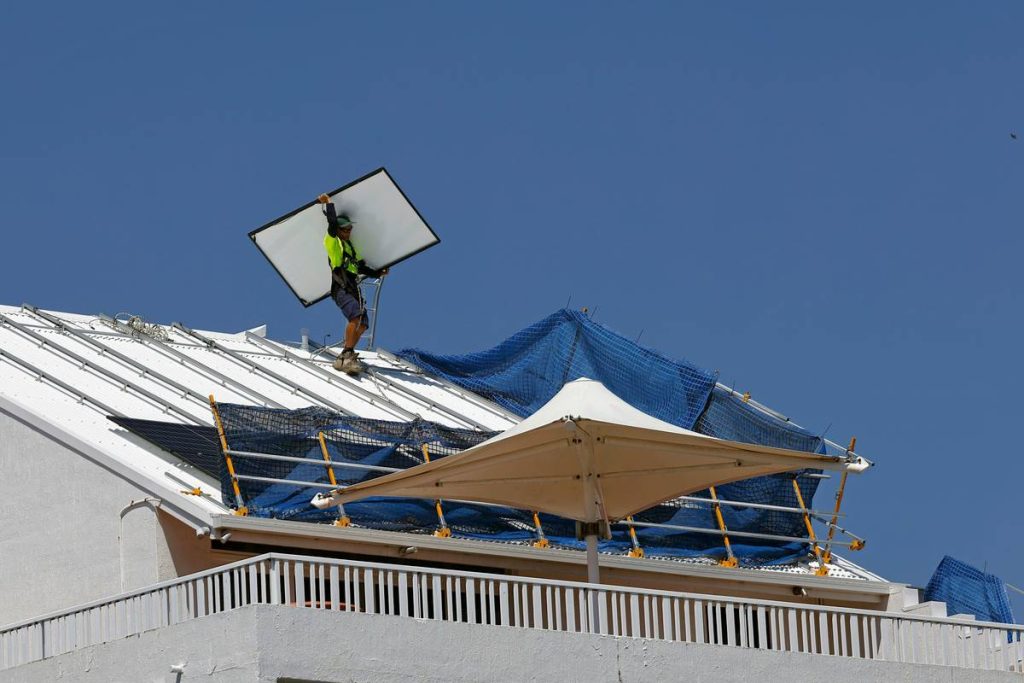
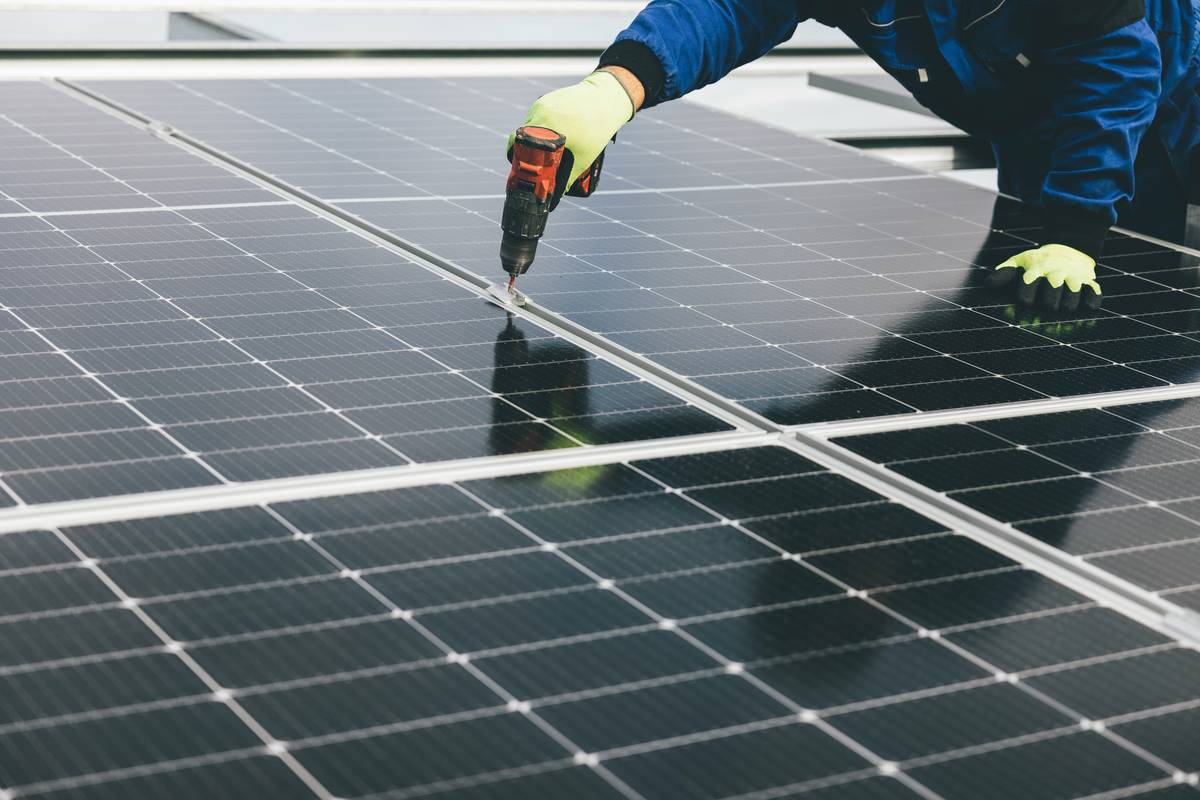
Installation usually takes 1–3 days. Afterward, your local municipality and utility will inspect for code compliance and safety. Only after passing can your system turn on.
7. Monitor Performance
Use your inverter’s app to track daily production. A sudden drop could mean debris, damage, or inverter failure. Most systems include remote monitoring—don’t ignore it.
Best Practices for Smooth Installation
- Time it right: Spring or fall installations avoid summer heat stress and winter delays.
- Size smartly: Match system size to actual usage—not future “maybe” needs like EV charging (unless confirmed).
- Beware of “free solar” scams: If it sounds too good to be true, it’s likely a misleading lease.
- Clean regularly: Dust, pollen, and bird droppings reduce efficiency by up to 15% (NREL study).
Terrible tip disclaimer: “Just slap panels on any roof surface!” Nope. Poor mounting causes leaks, fire hazards, and degraded shingles. Always use flashing and industry-standard racking.
Real-World Results from U.S. Homeowners
The Department of Energy reports that homeowners in Arizona saved an average of $1,200/year post-installation. In less sunny states like Massachusetts, savings still hit $800/year thanks to high electricity rates and strong incentives. One Colorado family broke even in 5.2 years and now earns SRECs (Solar Renewable Energy Certificates)—extra income for feeding clean power to the grid.
My worst pet peeve? Installers who quote “average” production without analyzing *your* roof’s microclimate. Shade from a neighbor’s chimney or morning fog patterns drastically alter output. Demand hour-by-hour modeling—not ballpark estimates.
Frequently Asked Questions
How much does it really cost to start using solar panels?
After federal tax credits, most systems land between $10,500–$17,500. Financing options can bring monthly payments below your current electric bill.
Do solar panels work on cloudy days?
Yes—modern panels generate 10–25% of rated capacity under cloud cover. Germany, a famously cloudy country, leads Europe in solar adoption.
How long do solar panels last?
Most come with 25-year performance warranties and often produce 80%+ of original output beyond 30 years.
Will installing solar increase my property taxes?
In 36 states, solar additions are exempt from property tax reassessment. Check your local rules—or review our privacy policy section on data usage if sharing address details with assessors.
Can I start using solar panels if I rent?
Not directly—but community solar programs let renters subscribe to off-site farms and receive bill credits.
What maintenance do solar panels require?
Minimal: rinse twice a year with a garden hose. Avoid pressure washers—they can crack cells.
Ready to power your home with sunshine—not fossil fuels? Contact us today for a no-pressure consultation with vetted solar partners. Because going green shouldn’t mean getting burned.
Sun doesn’t send invoices—why should your electricity?