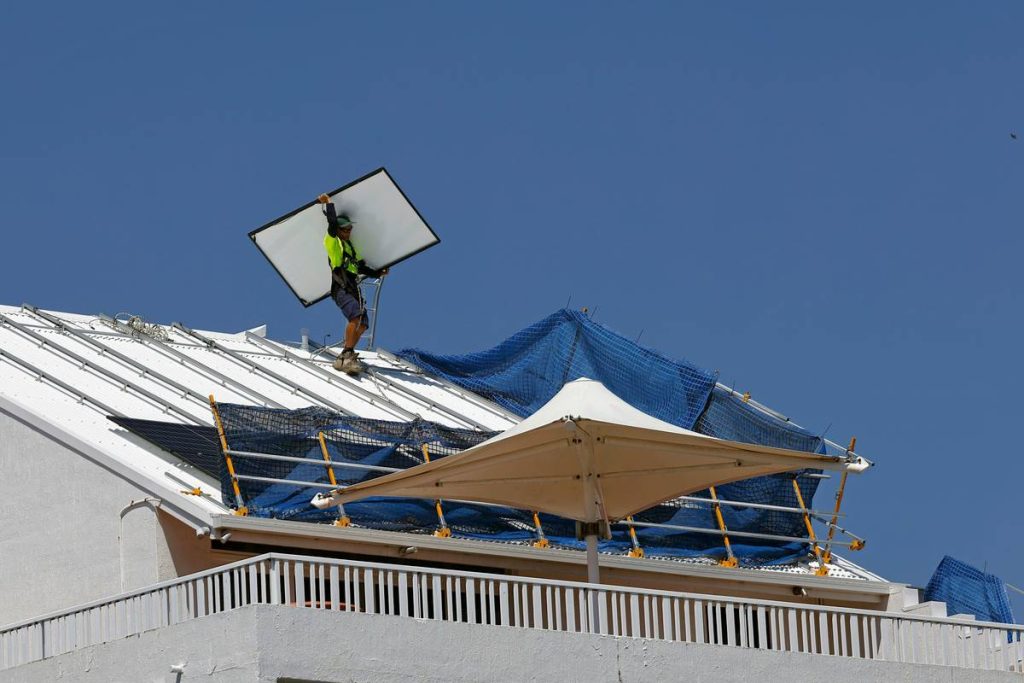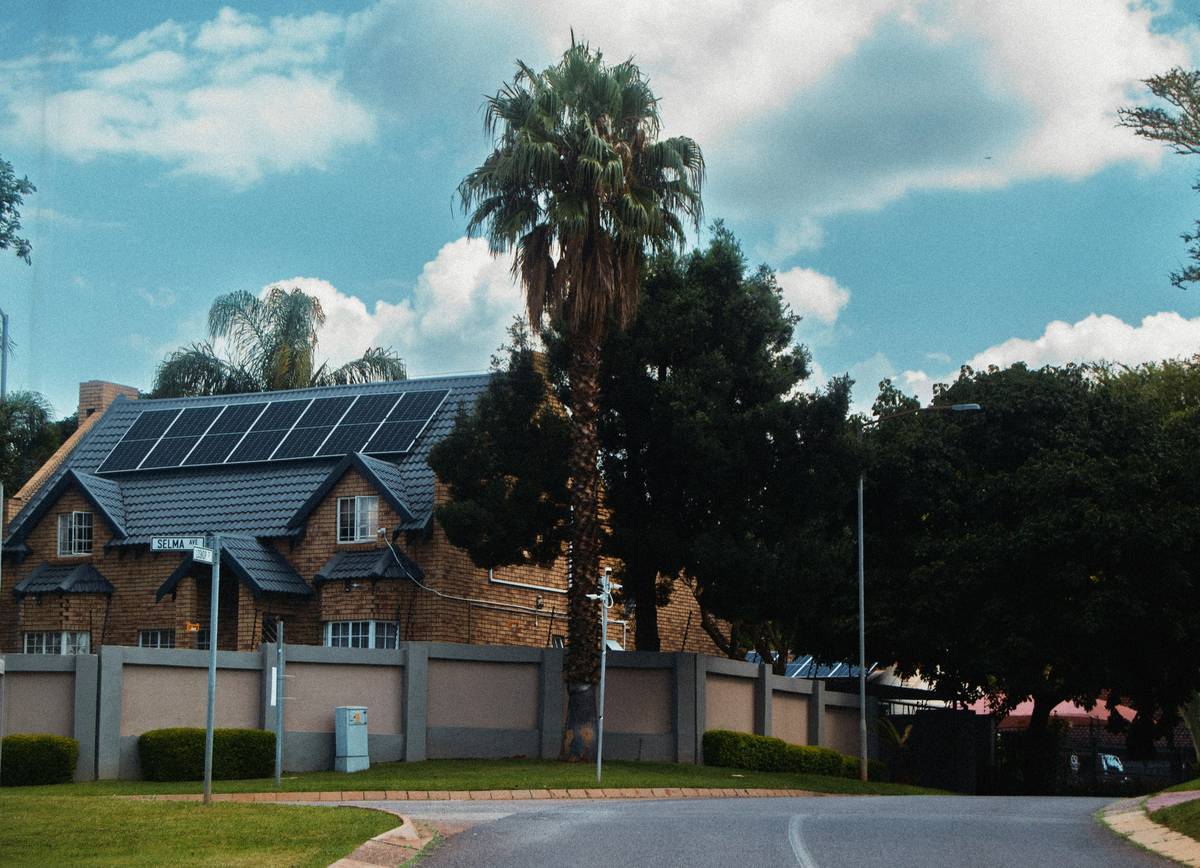
If you’ve ever stared at your electric bill and wondered, “Could solar actually work for someone like me?”—you’re not alone. Most homeowners assume solar is only for eco-warriors with fat wallets or tech-savvy engineers. But here’s the truth: solar panels for beginners are more accessible, affordable, and straightforward than ever—if you avoid the rookie errors that waste time and money.
In this guide, we’ll cut through the jargon, debunk myths, and walk you through everything you need to know before talking to your first installer. No fluff, no sales pitch—just real advice from hard-won experience in the solar trenches.
Table of Contents
- Why Solar Matters for Homeowners (Beyond the Obvious)
- Your Step-by-Step Solar Starter Plan
- 7 Best Practices Most Beginners Ignore
- Real Results: What Happens After Installation?
- Frequently Asked Questions
Key Takeaways
- You don’t need a perfectly south-facing roof—modern systems work well on east/west orientations too.
- Get at least three quotes; pricing can vary by 30%+ between reputable installers.
- Federal tax credits cover 30% of system costs through 2032 (U.S. Department of Energy).
- Avoid leasing unless you fully understand the long-term tradeoffs—it often saves less than owning.
- Always verify installer credentials: NABCEP certification is the gold standard.
Why Solar Matters for Homeowners (Beyond the Obvious)
Home improvement isn’t just about curb appeal or kitchen upgrades anymore. With electricity rates rising nearly 3% annually nationwide (U.S. Energy Information Administration), locking in predictable energy costs is one of the smartest investments you can make. Solar panels reduce or eliminate monthly bills while increasing property value—studies show homes with solar sell 4.1% faster and for ~4% more (National Renewable Energy Laboratory).
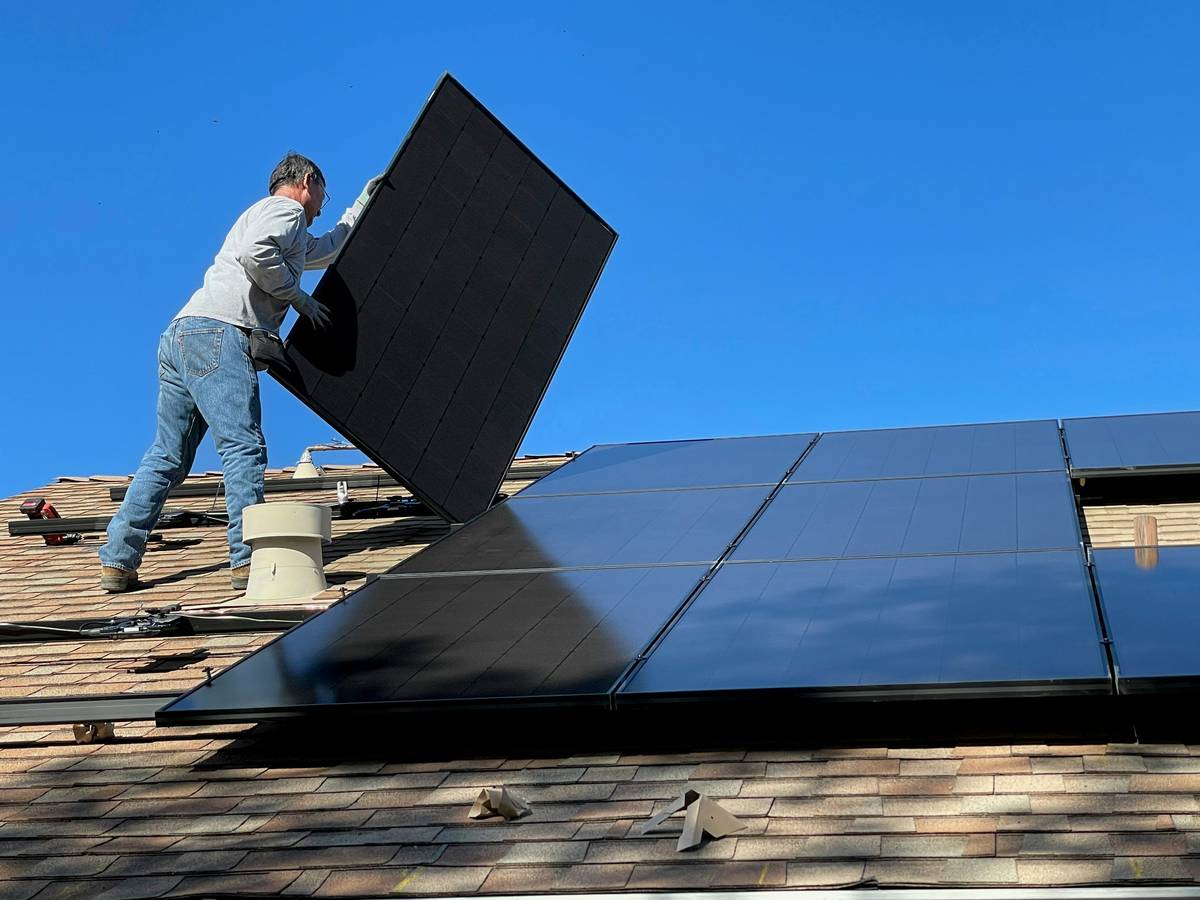
I learned this the hard way. On my first installation, I picked a local company because they were fast and cheap. Big mistake. They used mismatched inverters, skipped proper roof flashing, and within 18 months, I had water damage. Lesson? Speed and price shouldn’t override due diligence. That’s why solar panels for beginners require careful vetting—not just enthusiasm.
Your Step-by-Step Solar Starter Plan
1. Audit Your Energy Use
Pull the last 12 months of utility bills. Calculate your average kWh usage. This determines system size—you don’t want to over- or under-build.
2. Assess Your Roof’s Viability
Check for shading (trees, chimneys), orientation, and age. If your roof needs replacement within 5 years, do that first. Solar panels last 25+ years—you don’t want to reinstall them prematurely.
3. Get Multiple Quotes
Use platforms like EnergySage or contact local installers directly. Compare equipment quality (panels, inverters), warranties (look for 10+ years on workmanship), and financing options.
4. Understand Incentives
The federal Investment Tax Credit (ITC) gives you 30% back when you file taxes. Many states add rebates or property tax exemptions. Visit DSIRE for a full breakdown by location.
5. Review the Contract
Watch for automatic renewal clauses, production guarantees, and who handles permitting. At Fair RSS, we always recommend reading the fine print—and if you’re unsure, reach out via our Contact Us page for a second opinion.
7 Best Practices Most Beginners Ignore
- Don’t lease unless you’re certain. Leases often cap savings and complicate home sales.
- Avoid “one-size-fits-all” quotes. A good installer customizes design to your roof and usage.
- Ask about monitoring. Real-time production tracking helps spot issues early.
- Verify insurance and licensing. Unlicensed installers = voided warranties.
- Beware of pressure tactics. Reputable companies give you time to decide.
- Factor in future needs. Planning to buy an EV? Add extra capacity now.
- Read our Privacy Policy if sharing personal data during quotes—your info should stay protected.
Real Results: What Happens After Installation?
Take Sarah from Austin, Texas: 2,200 sq ft home, avg. $220/month electric bill. After installing a 7.5 kW system ($22,000 after tax credit), her bill dropped to $12/month (just grid connection fees). Payback period? 6.8 years. She’ll save ~$38,000 over 25 years.
That’s the power of getting solar panels for beginners right the first time. Contrast that with Mark in Denver, who leased a system promising “$0 down.” His savings? Only 10%—and when he tried to sell his house, buyers backed out due to lease transfer complexity.
The difference? Research, multiple quotes, and choosing ownership over convenience. You can learn more about our team’s hands-on approach on our About Us page.
Frequently Asked Questions
How much do solar panels cost for beginners?
After the 30% federal tax credit, most U.S. homeowners pay $15,000–$25,000 for a standard system. Financing options like $0-down loans are common, but ownership yields higher long-term savings.
Do solar panels work on cloudy days?
Yes—they generate power from daylight, not direct sun. Output drops (~10–25%), but they still produce. Germany, famously cloudy, leads Europe in solar adoption.
How long does installation take?
Physical installation: 1–3 days. But permitting and utility approval can add 2–8 weeks. Start early if targeting summer savings!
Can I install solar panels myself?
Technically yes—but DIY voids many incentives, risks safety, and usually lacks performance guarantees. For solar panels for beginners, professional installation is strongly advised.
What happens during a power outage?
Grid-tied systems shut off for safety—unless you add batteries. If backup power is critical, discuss hybrid inverters or battery options upfront.
Are solar panels worth it in 2025?
Absolutely. Costs have dropped 70% since 2010, incentives remain strong, and net metering (in most states) ensures fair credit for excess power sent back to the grid.
Still unsure if solar fits your home? We’ve guided hundreds of beginners through their first installation. Drop us a line at Contact Us—no obligation, just honest advice.
Remember: the best time to go solar wasn’t years ago. It’s today—before your next bill arrives.