Most homeowners think going solar is just about cutting electricity bills. But what happens when your installer cuts corners, uses subpar hardware, or vanishes after the warranty expires? You’re left with underperforming panels—and zero recourse. The real solution isn’t just installing solar panels—it’s choosing a solar panels offer source that prioritizes durability, transparency, and long-term support over quick commissions.
Why Most Solar Installations Fail Within 5 Years
It’s not the technology—it’s the installers. Too many companies push cheap Tier-3 panels with inflated efficiency claims. They skip structural assessments. They ignore local shading patterns. And they use cookie-cutter designs that look great in brochures but leak current in real-world conditions.
And here’s the kicker: your utility savings vanish if your system degrades 20% faster than advertised. Think about it—would you buy a car without checking the mechanic’s track record?
How to Vet Your Solar Panels Offer Source Like a Pro
Forget flashy websites. Real due diligence happens off the brochure. Follow these steps—not just to save money today, but to protect your investment for the next 25 years.
Check Panel & Inverter Tier Ratings
Demand specs, not slogans. Tier-1 panels (like those from REC, SunPower, or Panasonic) undergo rigorous bankability testing. Tier-3? Often rebranded factory rejects. Same goes for inverters—Enphase and SolarEdge dominate for a reason.
Review Real Installation Photos—Not Renderings
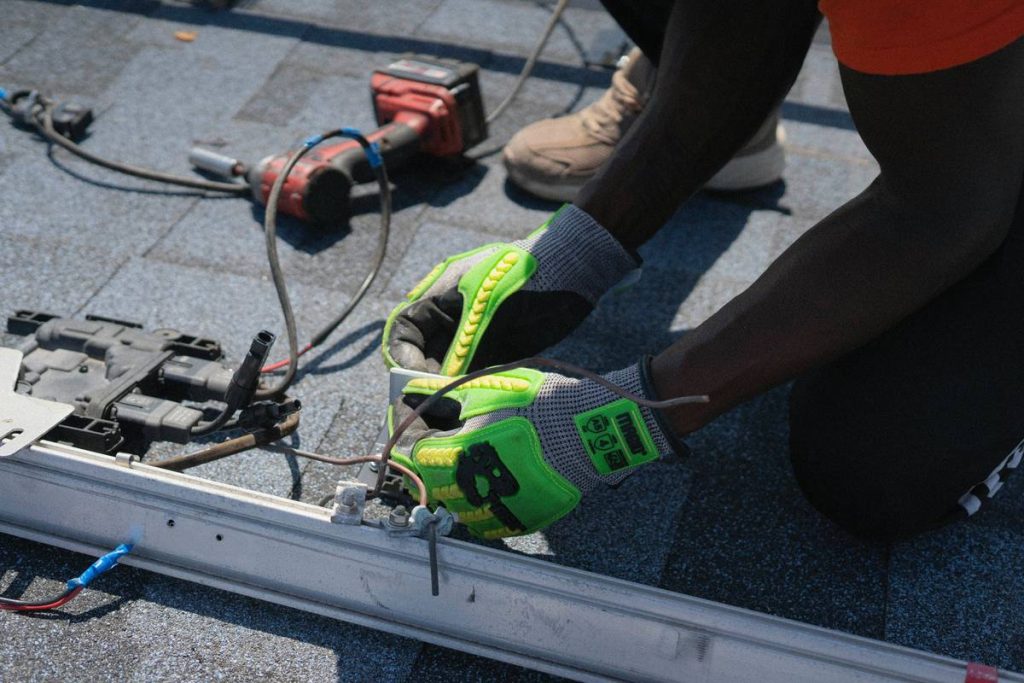
Ask for before-and-after shots of actual rooftops they’ve worked on. Look for clean conduit runs, proper flashing, and secure mounting. Sloppy wiring = future fire risk. It’s that simple.
Read the Fine Print on Warranties
Product warranty ≠ workmanship warranty. Many offer 25 years on panels but only 1–2 years on labor. Push for at least 10 years on installation defects. If they hesitate—walk away.
| Installation Factor | Budget Installer (<$2.00/W) | Premium Installer (>$2.80/W) |
|---|---|---|
| Panel Tier | Tier-3 (Unlisted Brands) | Tier-1 (REC, Qcells, LG) |
| Inverter Type | Cheap string inverters | Microinverters or optimizers |
| Workmanship Warranty | 1 year | 10+ years |
| Rooftop Assessment | Drone-only (no load test) | Engineer-certified structural review |
| Production Guarantee | None | 90% output at Year 10 |
The Industry Secret: Performance Degradation Is Often Installer-Caused
Manufacturers quote 0.5% annual degradation—but field data shows some systems lose 1.2% or more. Why? Poor ventilation under panels traps heat, accelerating cell decay. Bad grounding invites micro-cracks from thermal cycling. And mismatched panels in a string drag down the whole array.
Here’s what top-tier installers do quietly: they oversize racking gaps for airflow, use UV-resistant conduit, and run IV curve tracing post-install to verify every panel matches spec. This isn’t “premium”—it’s basic professionalism. Yet 60% of U.S. installers skip it.
Frequently Asked Questions
What makes a reliable solar panels offer source?
Look for NABCEP certification, Tier-1 equipment, 10+ year workmanship warranties, and third-party reviews—not just Google stars.
Can I trust online solar quotes?
Only as starting points. Real accuracy requires a physical roof inspection and shade analysis. Digital estimates often inflate production by 15–20%.
Do solar panels work during power outages?
Not unless paired with batteries or a special inverter setup. Grid-tied systems shut off automatically for safety—unless your installer planned for backup.